
Issue #5
From the Privacy-Led Foundation to the Summit
Marketers, get ready to move past guesswork, blind spots, and crumbling attribution models with the expert insights from Usercentrics’ 2025 Privacy-Led Marketing Summit. Whether you’re upgrading your metrics or rethinking organic visibility, get the inspiration you need to build from a foundation of consent, clarity, and confidence.
Latest issue
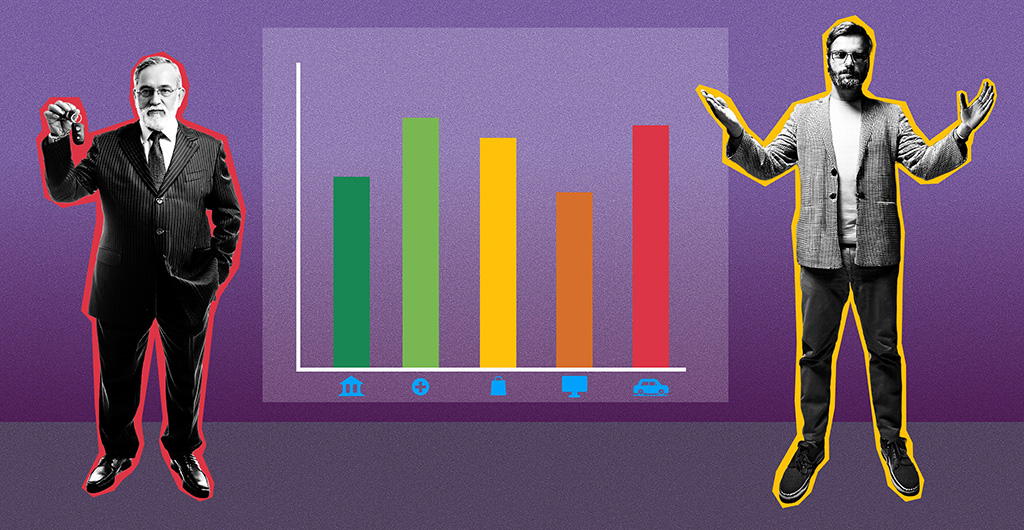
Why trust varies by industry and how brands can rebuild stronger
Today’s consumer trust is conditional. Where the banking and health industries lead in trust, tech and retail lag — not due to industry but because of the perceived lack of transparency, control, and value. But there are ways for low-trust sectors to (re)build, through clear and consistent action.
What’s the biggest lie on the web? Data literacy with Terms of Service; Didn’t Read
We all shape the internet, but the underlying Terms of Service of that internet remain unread and misunderstood. Terms of Service; Didn’t Read addresses this. It seeks to help users make sense of what they’re agreeing to and provides marketers with a reality check on how their policies land in the real world.
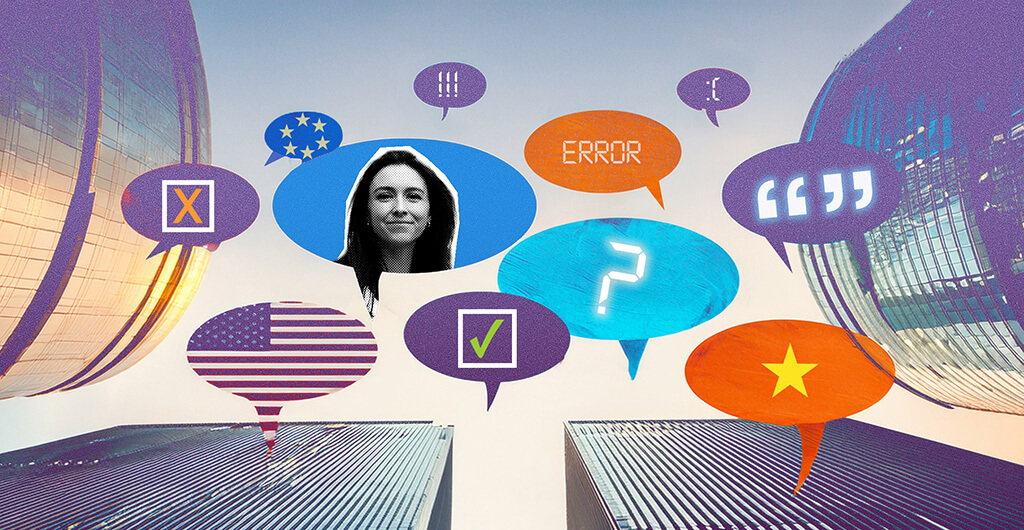
What brands miss when they expand across cultures, with BrandStack’s Grace Baldwin
The same words can mean very different things across cultures. Misread tone or intent can quietly erode trust and complicate collaboration. Grace Baldwin, co-founder of the B2B agency BrandStack, says paying attention to these subtleties helps brands communicate clearly and stay credible across markets.

Dr. Anastasia Kārkliņa Gabriel on why brands can’t afford to ignore cultural intelligence
Culture is in flux, and it’s in a constant struggle over meaning. In this Q&A, Dr. Anastasia Kārkliņa Gabriel explains why cultural intelligence is non-negotiable for brands, how to cut through noise, and how marketers can use that to create more effective campaigns.
B2B doesn’t mean boring to boring: Insights from Storythings
Marketers today aren’t just competing with other brands. They’re competing with Netflix and group chats for attention. Anjali Ramachandran, Director at Storythings, explains why the antidote isn’t more noisy content, but better storytelling that signals purpose, builds trust, and stays human.

Marketers speak up: Is AI truly freeing us for creative work?
The narrative around generative AI promises that these tools take care of the boring and repetitive tasks while freeing up marketers to do the higher-level creative and strategic work. We wanted to know if it was true, so we asked four marketers to share their experience.
When metrics lie: rethinking social measurement in the age of AI content
The flood of AI-generated posts is overwhelming social media—and marketers. It’s not just that traditional metrics are losing meaning. It’s that they were never built for a world this automated, writes Chase Varga, director of marketing at ListenFirst Media.

Is cultural intelligence the missing link in your personalization strategy?
Personalization once meant knowing a customer’s purchase history. Now it means understanding their world. As data becomes scarce in a privacy-first world, cultural intelligence is fast becoming the key to deeper, more authentic marketing connections.
Inside TikTok’s work on privacy-enhancing tech, with Mateus Guzzo
Most people don’t associate social platforms with privacy innovation, but Mateus Guzzo’s work at TikTok challenges that view. As a community & developer advocate, Guzzo bridges technical innovation with cultural change by promoting and leveraging TikTok’s Privacy-Enhancing Technologies.

The power of content creators to influence audience trust with Alberta Tech
A channel that started with funny pandemic videos has now become a trusted voice in tech. NYC-based software engineer Alberta Devor built a loyal audience by turning the realities, and absurdities, of working in tech into the informed and comedic takes her viewers crave.
Cognitive science for marketers: What it takes to get permission
Drawing on psychology and cognitive science, SEO & technical brand visibility consultant Myriam Jessier explores how marketers shape choice architecture through consent design. Find out how transparent, brand-aligned consent experiences foster trust, improve data quality, and create long-term value.
Privacy as infrastructure: designing for digital trust with data privacy strategist Ericka Watson
Ericka Watson, Esq. sees privacy as a catalyst, not a constraint. As CEO of Data Strategy Advisors, she works with organizations to design trust into data and AI systems early so they can move faster and build better. For organizations, that means moving from a “Can we collect it?” mentality to one that asks, “Should we collect it?”

Why protecting kids online is forcing a rethink of digital design
Social media has long backed a “Just trust us” narrative around kids’ participation on the platform. Now, policymakers from Australia, the US, and the EU seek to protect kids via age gating, and compliance will require smarter design. Good thing the blueprints already exist, says Usercentrics VP of Product Strategy Eike Paulat.

How to create the consent banner you’d click ‘accept’ on
Let’s face it: Even marketers don’t always click ‘accept all’! So, let’s put ourselves in our users’ shoes. Privacy tech agency founder Max Lucas explains how we can build a consent banner we’d be more likely to trust ourselves, with three key elements: transparency, value, and design consistency.
Got questions about privacy regulations?
Privacy regulation checklists: All you need to know to achieve and maintain compliance.
Trending topics
- Privacy-Led Marketing
- AI & emerging tech
- Data privacy
- Marketing measurement
- Digital growth
See all
See all


See all


See all