
If you’ve noticed your digital ad spend working harder but delivering less, you’re not alone. Rising customer acquisition costs, signal loss from browser restrictions, measurement blind spots, and more have become a frustrating new normal.
Restrictions including Apple’s iOS changes, third-party cookie deprecation, and increased ad blocking mean an increasing percentage of your conversions may already be invisible to your marketing platforms. Browser throttling and client-side tracking failures are costing marketers attribution every day.
The result? Lower match rates, wasted ad spend, shrinking ROAS, and mounting pressure on marketing leaders.
But there’s good news: Server-Side Tagging (SST) is accelerating as a critical infrastructure upgrade that restores visibility, improves data accuracy, and directly multiplies ROAS.
Reticent about implementing Server-Side Tagging due to perceived complexity and resource demands? Confused about potential gains for your business? Let’s dispel those concerns.
Key takeaways
- ROAS gains: Server-Side Tagging delivers real-world uplifts of +15–35%.
- Lower CAC: Case studies show up to 57% lower cost per acquisition (CPA) after implementation.
- Restored attribution: Accurate event tracking unlocks smarter bidding and budget allocation.
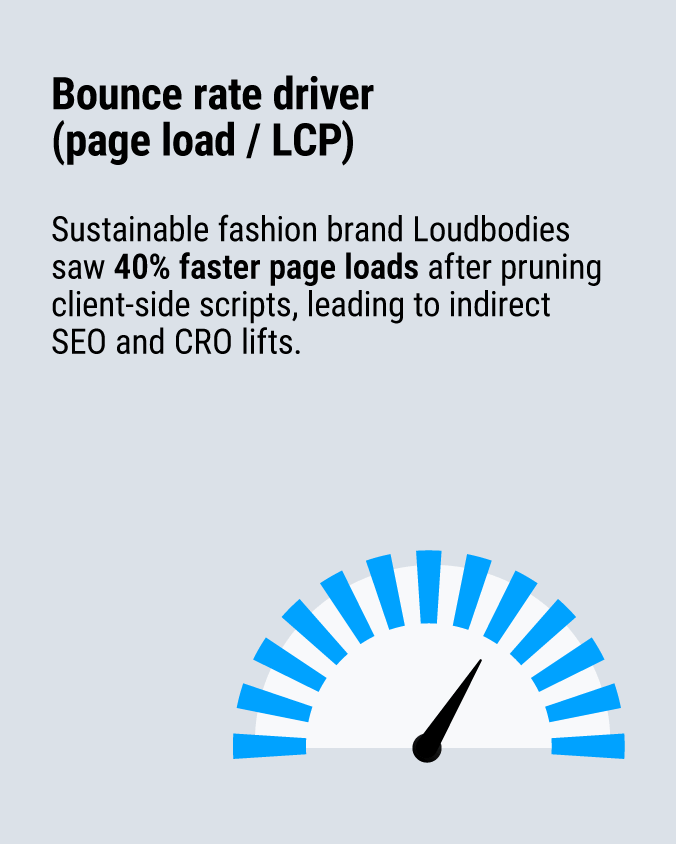
- Faster sites and better UX: Moving tags server-side improves page load by up to 40%, boosting both SEO and conversion rate.
The problem: hidden leaks in your funnel
Marketers often experience the symptoms of leaks in the marketing funnel without seeing the root cause. The data losses can come from multiple sources and have a cascading effect:
- Attribution blind spots: Conversion signals disappear before reaching ad platforms, crippling bid strategies.
- Escalating CAC: With fewer conversions recorded, algorithms assume lower performance, increasing acquisition costs and shrinking margins.
- Wasted retargeting: Incomplete event data reduces remarketing pool sizes, driving up CPMs.
- Slower sites and higher bounce rates: Bloated client-side JavaScript impacts Core Web Vitals, reducing organic ranking and on-site engagement.
Some companies may think a server-side implementation is expensive and resource-intensive, but the cost of inaction today as competitors future-proof their marketing, compounded with lost opportunity cost over time, is much greater.
There is hope. Let’s look at how Server-Side Tagging can mitigate all of these issues, without breaking the budget or wearing out your dev team.
How Server-Side Tagging gives you back control
Server-Side Tagging shifts the heavy lifting of data collection from client-side on users’ browsers to a controlled, first-party environment on your server. It gives you back more control over collected data, enabling you to meet consent requirements of privacy regulations and obtain more accurate, complete, and higher quality data to provide to ad platforms.

How SST works
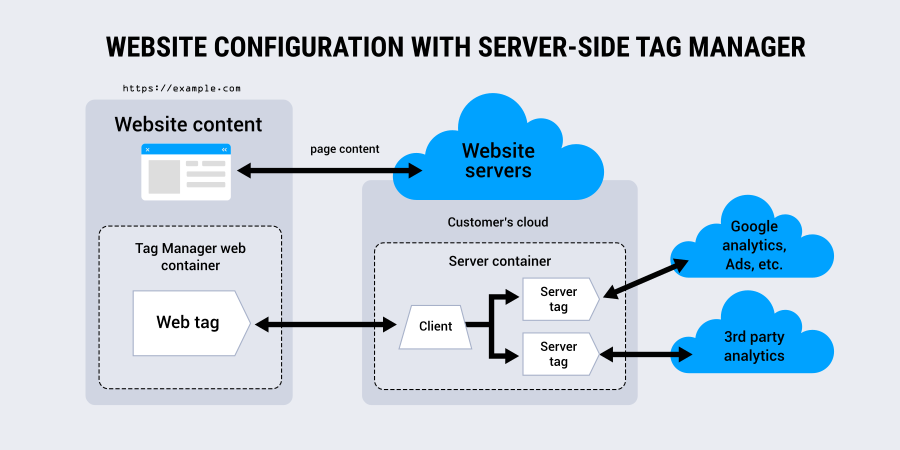
With Server-Side Tagging, your website and users’ data are hosted on a secure, centralized server. This is how you gain improved control and protection over users’ personal data.
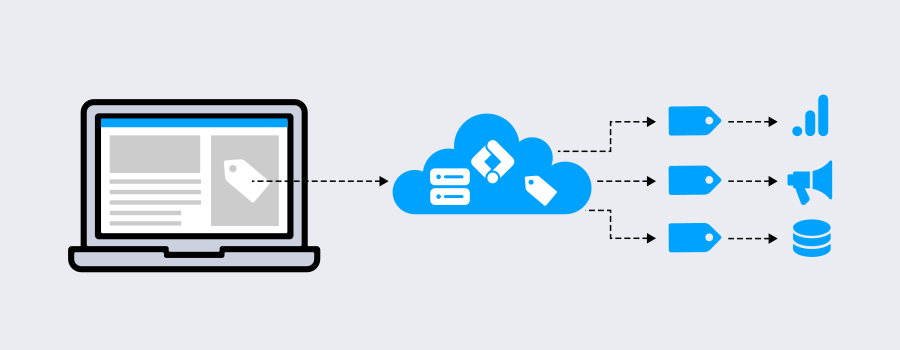
Firing of marketing and analytics tags is moved away from a user’s browser (client-side) and into a secure server environment that you control.
Instead of firing dozens of scripts in the browser — which are often blocked by ad blockers (regardless of users’ consent choices), limited by browser privacy settings, and can slow down page load — your site sends clean, first-party events (like “add to cart” or “purchase”) to your server.
That server then distributes the data to platforms like Google Ads, Facebook, or analytics tools. This setup makes data collection more reliable, reduces signal loss, improves site performance, and gives businesses greater control over what data is shared and how it’s processed, in line with privacy standards.
The short version:
Client-side: Third-party tags fire in the browser, vulnerable to ad blockers (regardless of user consent choices), browser privacy restrictions, and throttling.
Server-side: Tags fire from your first-party server container, for better reliability, speed, and enriched data capture.
Key SST advantages
Let’s look at some of the numbers to back up the benefits of Server-Side Tagging.
- Signal resilience: Up to 40 percent of conversion signals can be lost in client-side setups. SST can return resilience to recover those signals.
- Data quality: How much more accurate can your collected data be with SST? Usercentrics improved data visibility, attributing between 35 and 65 percent more paid traffic.
- Performance: Cleaner front-end sites that are 40 percent faster, with higher UX-driven conversions (speed is an important SEO ranking factor.)
- Security and privacy compliance: Greater control over data flows means you can better manage consent requirements and user preferences in line with requirements of laws and frameworks like the GDPR, ePrivacy, and CCPA.
SST isn’t just another tool or tech implementation; it’s an infrastructure multiplier for marketing ROI.
The business impact of Server-Side Tagging
The benefits of SST aren’t limited to specific industries or geographies, either. Organizations from e-commerce to higher education are seeing incredible results. i thi
Let’s look at some case studies to see the kinds of improvements companies are seeing with page load speeds, CPA decreases, and conversion increases.
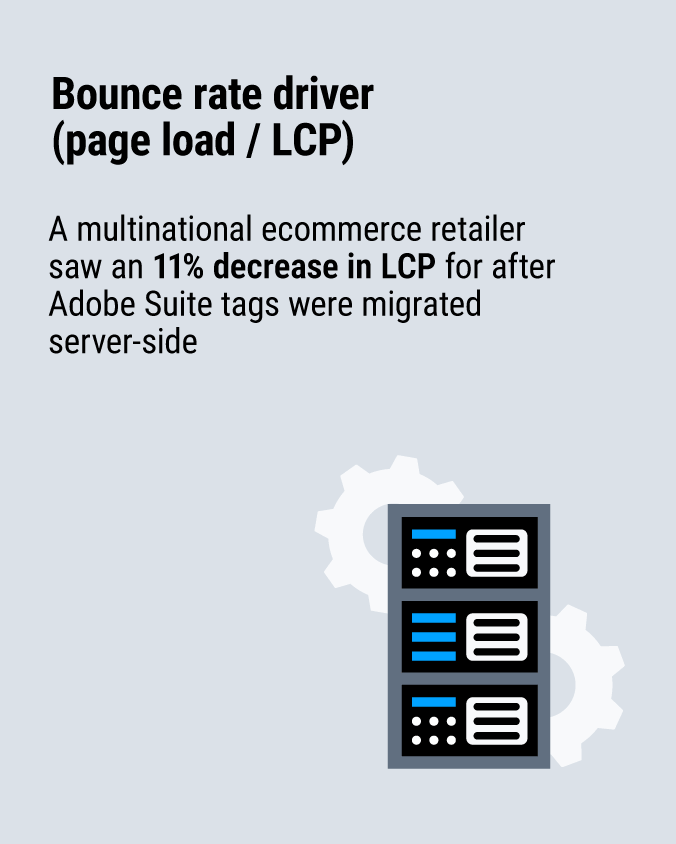
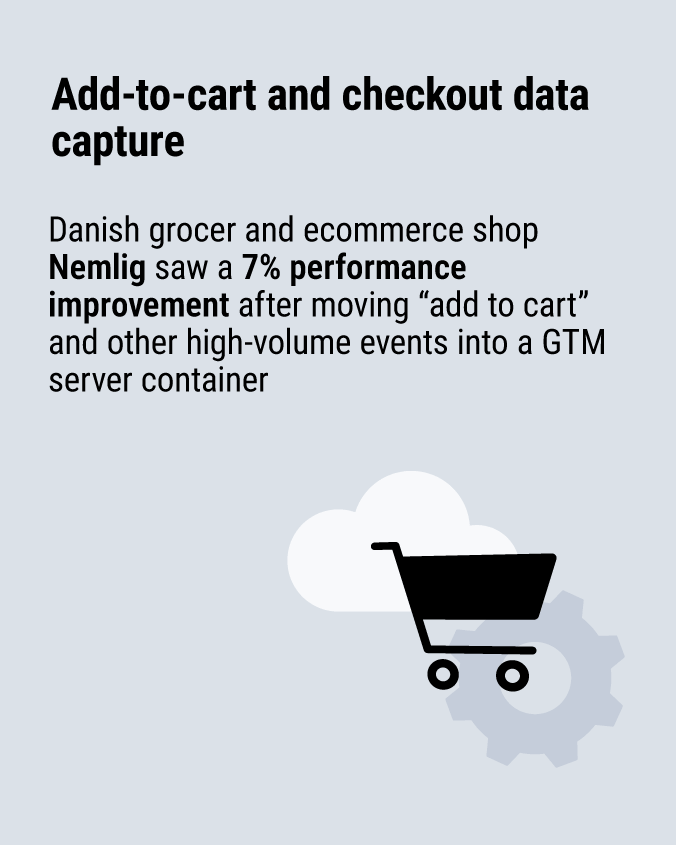
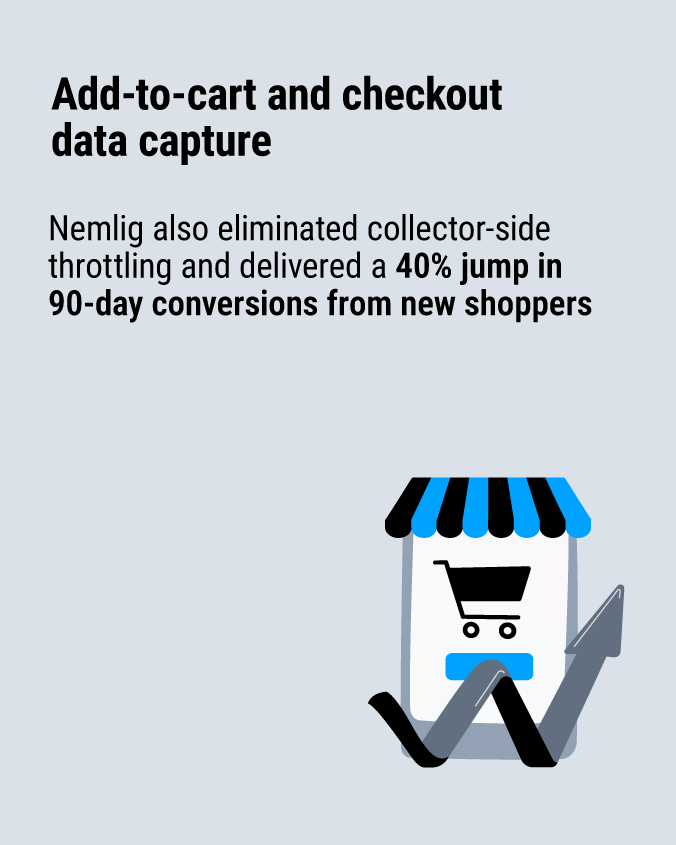
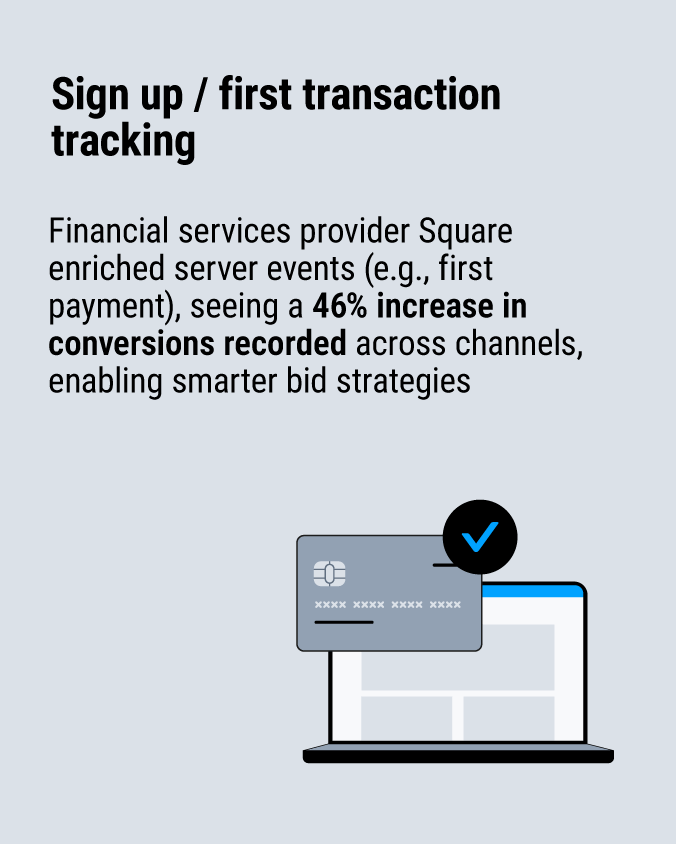
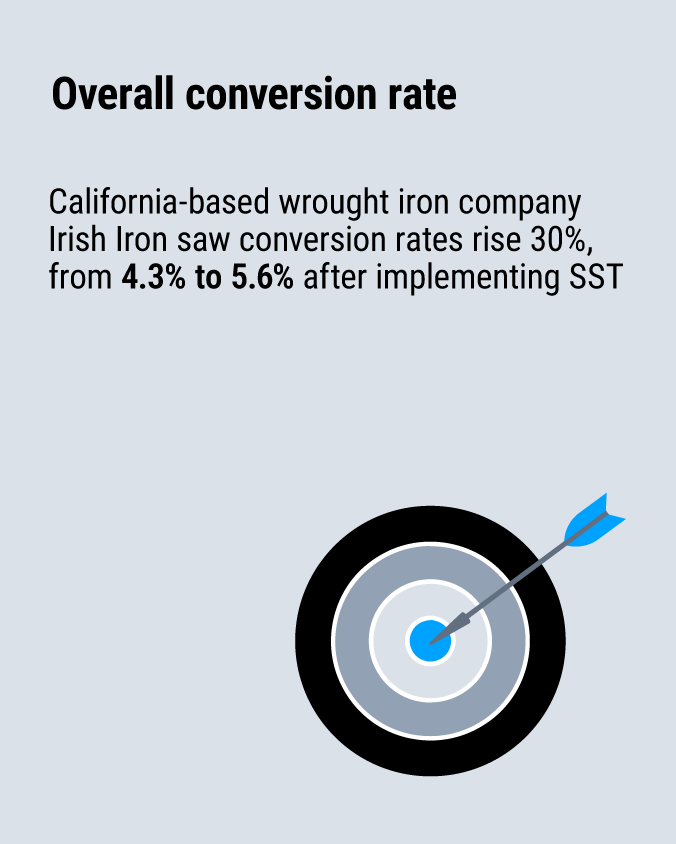
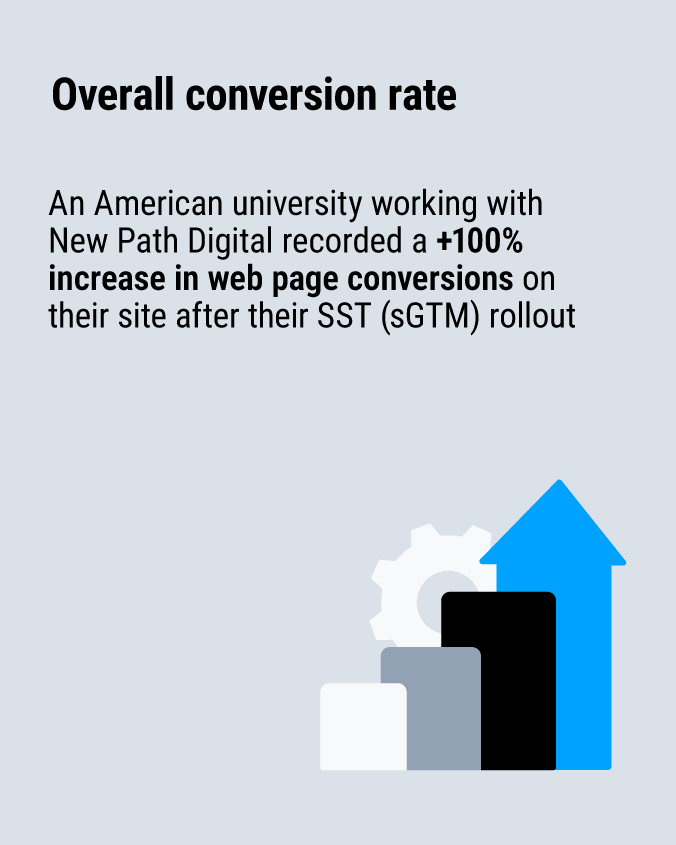
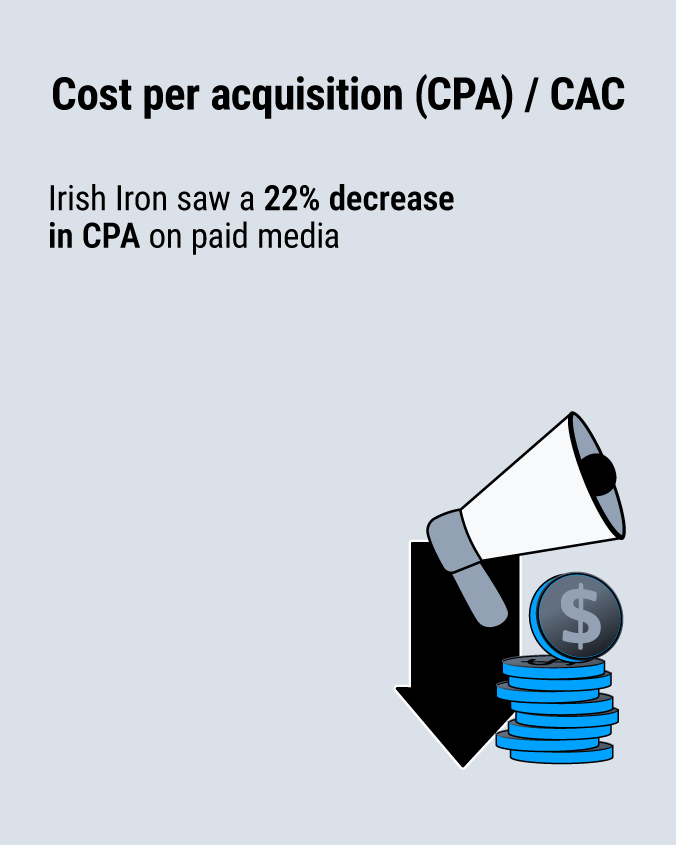
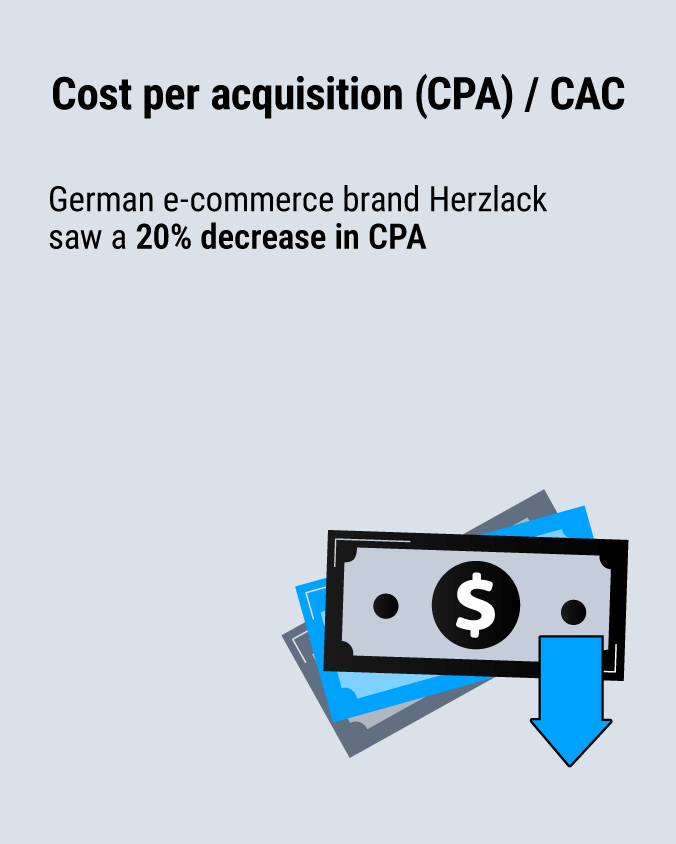
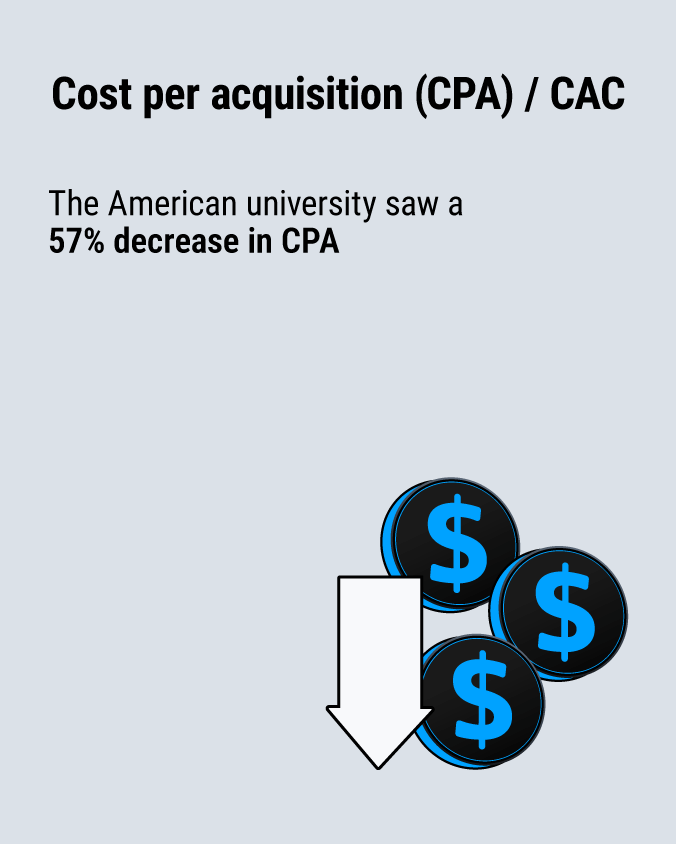
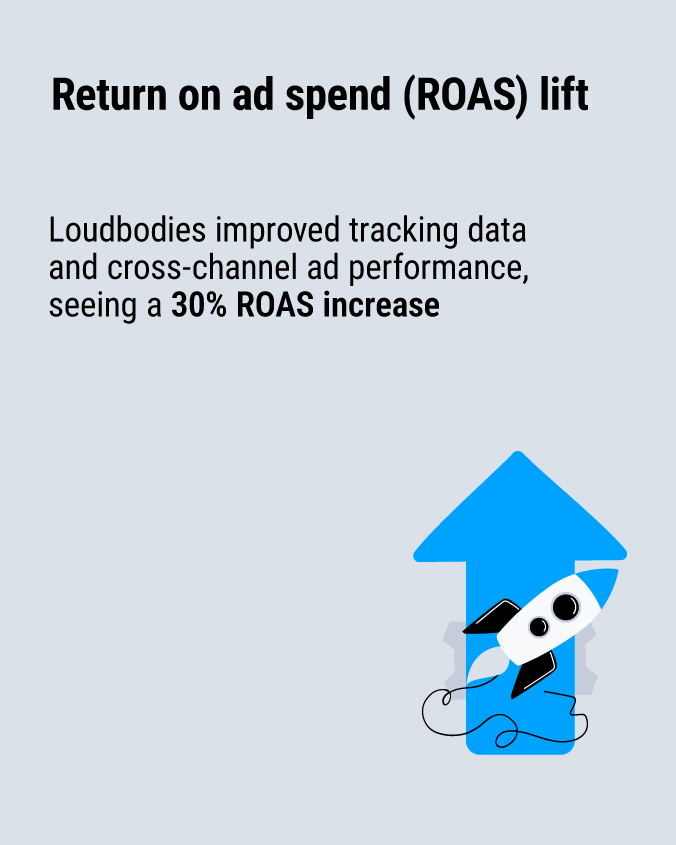
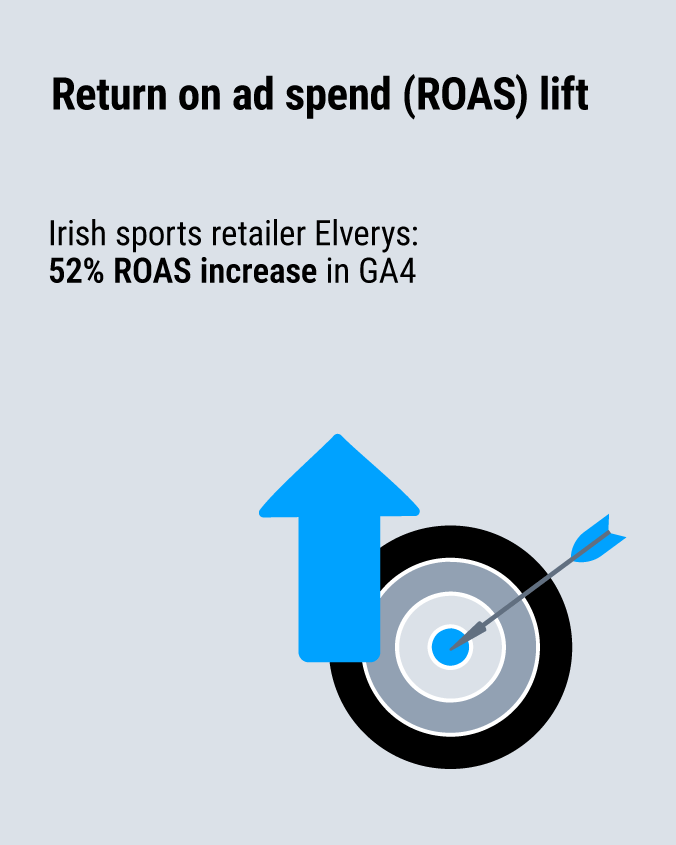
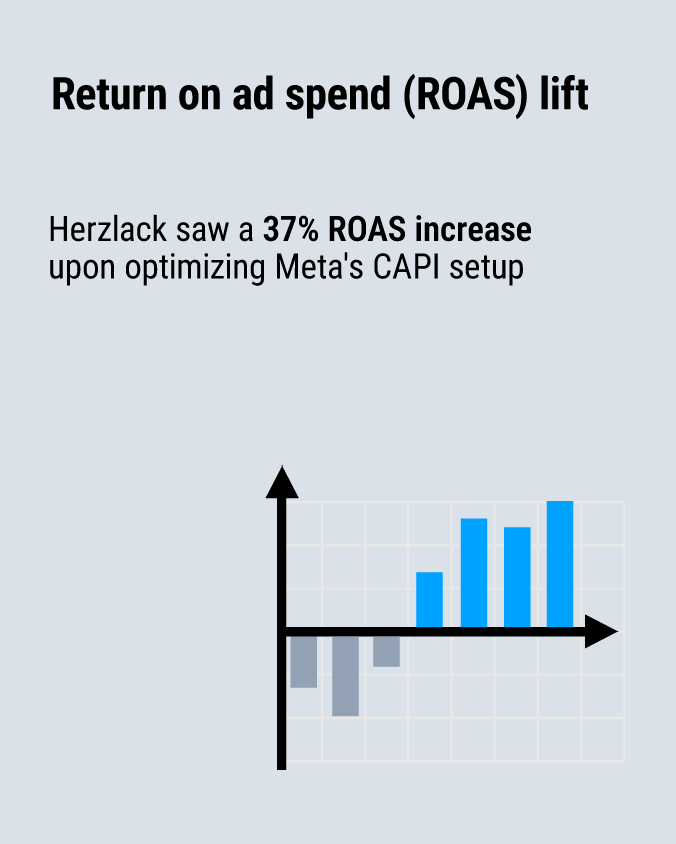
The results are clear. Server-Side Tagging delivers better user experience, higher quality data, and clearly improved conversions and ROAS, while supporting data privacy requirements and customer preferences.
Across the case studies, the average uplift falls within ROAS gains of +15%, +25%, or +35% — the same scenarios modeled in our ROAS Calculator.
The benefits extend beyond commerce, too. Canadian consultancy Adviso saw attribution restoration that included a 5 percent increase in search conversions and a 17 percent increase in YouTube action conversions with server-side signals in a Google study.
Usercentrics ROAS Calculator: see your ROAS potential
Don’t just read about other company’s success stories. Try our interactive ROAS Calculator to estimate the gains your business could realize by moving to Server-Side Tagging.
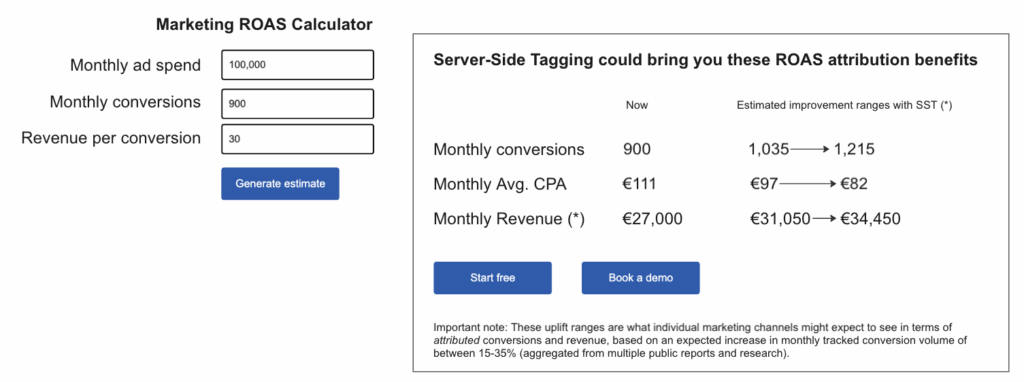
Your ROAS calculation makes it easy to share results with stakeholders. Bolster your business case for the value and urgency of adopting a Server-Side Tagging solution. Quantify the real opportunity cost of delaying implementation.
Future-proof your marketing so you don’t continue to lose data, customers, and revenue to competitors that have built a better marketing machine that provides a superior user experience.
Implementing Server-Side Tagging
Setting up SST doesn’t need to be overwhelming or require a dedicated army of developers. To start, identify your current pain points and prioritize stopping leaks and quick wins.
You can even run your current tracking and SST in parallel for a week or two to see directly how things are improving and provide insights for optimizing your setup.
- Assessment: Identify high value events (e.g. checkout, signups, or first transactions) most impacted by signal loss.
- Prioritize channels: Start with paid media and retargeting, where attribution gains are immediate.
- Launch server container: Implement Usercentrics Server-Side Tagging with Google Tag Manager.
- Optimize: Enrich events, prune unnecessary scripts, and monitor site speed improvements.
- Scale: Expand to additional platforms, integrating CRM and analytics for deeper insights.
Usercentrics’ expert partners also provide implementation support for Server-Side Tagging setup and migration.
SST and data privacy compliance
There are several steps to take to ensure that your Server-Side Tagging setup meets the requirements of privacy laws that are relevant to your business operations.
- Audit all tags in use to be clear on what they are for, what data collection they may trigger, how data is shared, and ensure they are necessary for current marketing operations
- Enable restricted data processing for certain types of personal data, depending on legal requirements (e.g. data minimization overall and prior consent for sensitive personal data)
- Use a consent management platform (CMP) to obtain, manage, and signal user consent
- Configure tags to only fire after consent is obtained where required by law
Future-proof your marketing with SST
The marketing landscape is changing fast, and it’s clear that old tools and strategies are no longer cutting it. Data loss, measurement blind spots, wasted ad spend, rising customer acquisition costs, data privacy restrictions — it’s time for an SST upgrade to launch your Privacy-Led Marketing.
By shifting data collection from client-side browsers to a controlled, first-party server environment, Server-Side Tagging restores data accuracy, improves site speed, lowers CAC, and can directly boost ROAS by 15–35 percent. Try our ROAS calculator to see the benefits your business could be experiencing.
Plug data leaks, optimize your campaigns, and get privacy compliance peace of mind while unlocking revenue potential.
Join our growing community of data privacy enthusiasts now. Subscribe to the Usercentrics newsletter and get the latest updates right in your inbox.